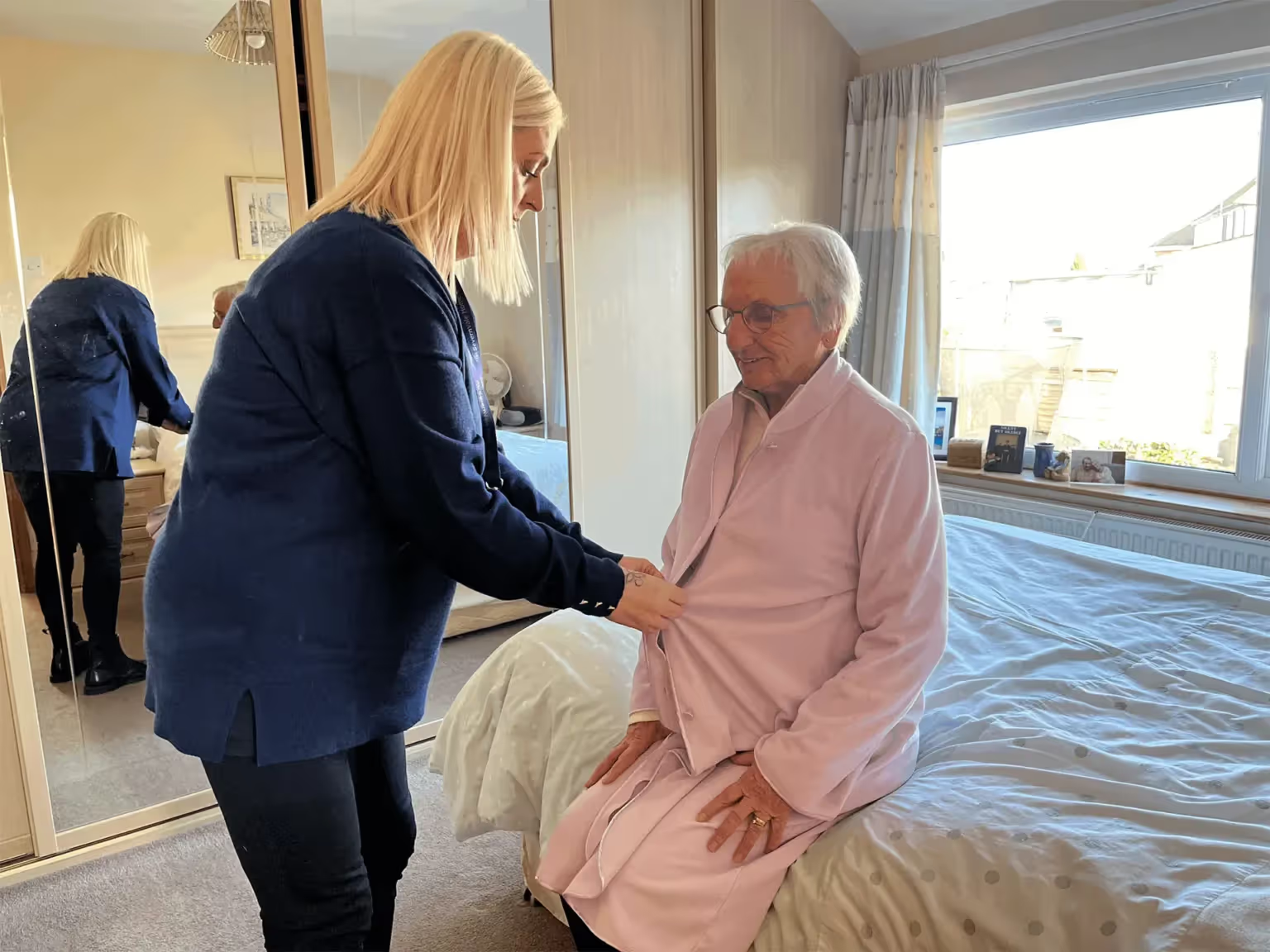

One moment your loved one is enjoying a cup of tea in the living room, and the next they’re insisting they need to “go home”, even though they already are. Moments like these can feel confusing and emotional for families navigating dementia care at home. But while dementia changes everyday life, it doesn’t take away the comfort, connection, and meaningful moments you can still share together.
The key to successful home care for dementia isn’t about having all the answers. It’s about creating calm routines, reducing stress, and learning new ways to communicate that help your loved one feel safe, reassured, and supported.
When someone is living with dementia, behaviours such as repetitive questions, confusion, or restlessness are not intentional. They are symptoms of a progressive brain condition. Understanding this can help families approach caring for dementia with more patience, empathy, and confidence.
The good news is that small changes often make a big difference. A calmer home environment, predictable routines, and gentle communication strategies can help reduce anxiety and make daily life feel more manageable for everyone involved.
In this guide, we’ll explore practical dementia care strategies to help you create a safer, more supportive home environment, manage everyday challenges, and make dementia caregiving feel more sustainable for the long term.
Providing dementia care at home allows loved ones to remain in familiar surroundings, maintain comforting routines, and stay connected to the people and memories that matter most to them.
For many families, home dementia care offers reassurance and stability during a time of change. Familiar spaces, favourite chairs, treasured photographs, and daily rituals can all help reduce confusion and support emotional wellbeing.
However, caring for dementia at home also comes with challenges. As dementia progresses, changes in memory, communication, behaviour, and mobility can affect almost every part of daily life. This is why creating a supportive environment and adapting routines gradually becomes so important.
Successful home care for dementia focuses on:
With the right dementia care strategies and support in place, families can create a home environment that feels comforting, safe, and manageable for everyone involved.
As dementia progresses, everyday surroundings can start to feel confusing or overwhelming for a loved one. Busy patterns, poor lighting, cluttered spaces, and unfamiliar layouts may increase anxiety and make navigating the home more difficult.
One of the most effective dementia care strategies is simplifying the environment to reduce confusion and improve safety.
Small changes can make a big difference. Using contrast colours, improving lighting, and reducing “visual noise” can help someone living with dementia move around the home more confidently and comfortably.
Simple home dementia care adjustments include:
Good lighting is especially important during the late afternoon and evening, when shadows and low light can increase confusion or agitation.
Creating a dementia-friendly home doesn’t require major renovations. Often, small practical changes provide the reassurance and structure needed to support everyday independence and reduce the risk of falls or accidents.
When memory and time perception begin to change, a predictable routine can provide reassurance and emotional stability. Consistency helps reduce uncertainty and allows loved ones to feel calmer and more secure throughout the day.
One of the most valuable dementia caregiving tips is to structure the day around familiar activities and natural energy levels.
Many people living with dementia feel more alert and settled earlier in the day, making mornings the best time for activities such as bathing, appointments, or household tasks.
A simple daily routine for dementia care at home might include:
Simple “anchor activities” can also help create purpose and comfort. Folding towels, watering plants, sorting photographs, or listening to favourite music can provide a reassuring sense of familiarity and achievement.
Transition cues can make routines feel smoother too. Playing calming music before meals or dimming lights in the evening gently signals changes in the day without creating pressure or confusion.
As dementia progresses, communication can become more challenging for both the individual and their loved ones. Finding the right words may become difficult, and conversations may feel repetitive or confusing at times.
One of the most important dementia care strategies is focusing on feelings rather than facts.
For example, if a loved one asks about someone who has passed away, correcting them may increase distress or confusion. Instead, gentle reassurance and emotional connection can help them feel understood and safe.
Helpful communication approaches include:
Body language often becomes just as important as verbal communication. Restlessness, pacing, or facial expressions may signal discomfort, hunger, tiredness, or anxiety when someone struggles to explain how they feel.
By approaching conversations with patience and reassurance, families can reduce frustration and create more meaningful moments of connection.
Bathing and personal care can sometimes become difficult during home dementia care. Resistance is often linked to fear, confusion, or sensory discomfort rather than stubbornness.
Bathrooms may feel unfamiliar or unsafe to someone living with dementia, especially if lighting is harsh, the room feels cold, or routines change unexpectedly.
Simple adjustments can make personal care feel calmer and more comfortable:
Allowing a loved one to participate as much as possible also helps maintain independence and dignity. Gentle guidance and patience often make these moments feel far less stressful for everyone involved.
Many families find that turning personal care into a familiar, predictable routine helps reduce anxiety and resistance over time.
Many families notice dementia symptoms becoming more noticeable later in the day. This is often known as “sundowning,” where confusion, restlessness, anxiety, or agitation increase during the late afternoon or evening.
As energy levels drop, everyday sounds, shadows, or changes in lighting can become more difficult for the brain to process.
Fortunately, there are several ways to reduce sundowning symptoms at home:
If agitation or frustration does occur, staying calm yourself is incredibly important. People living with dementia often respond to the emotions around them, so a gentle tone and relaxed body language can help de-escalate stressful moments.
Home dementia care is not about getting every response perfect. It’s about creating an environment that feels reassuring, predictable, and emotionally safe.
Supporting someone with dementia at home can be incredibly rewarding, but it’s also important to recognise your own needs as a caregiver.
Providing elderly dementia care requires emotional energy, patience, and resilience. Over time, it’s easy for carers to put their own wellbeing last, but looking after yourself is essential for sustainable long-term care.
Signs of caregiver burnout may include:
Taking regular breaks and accepting support is not a sign of failure, it’s an important part of caring for dementia safely and compassionately.
Helpful forms of in-home dementia support can include:
Whether you’re exploring dementia care in Worcester, dementia care in Malvern, or wider dementia home services, seeking support early can make caring responsibilities feel far more manageable.
Dementia care at home often evolves gradually over time. What works well today may need adjusting in the future as care needs change.
Planning ahead can help families feel more prepared and reduce stress later on. Important steps may include:
Creating a long-term dementia care plan doesn’t mean giving up independence, it means ensuring the right support is available at every stage of the journey.
With the right home dementia care strategies, professional support, and compassionate routines in place, families can continue creating meaningful moments together while protecting wellbeing for everyone involved.
Learning how to care for someone with dementia at home can feel like a significant adjustment, but small changes often make the biggest difference.
A calmer environment, predictable routines, gentle communication, and practical support can all help reduce anxiety and improve quality of life for someone living with dementia.
Most importantly, dementia care at home is not about perfection. It’s about creating moments of reassurance, comfort, connection, and dignity, one day at a time.
If you’re supporting a loved one with dementia and need additional guidance, professional dementia home services can provide valuable reassurance, respite, and tailored support for the whole family.
Simple changes such as improving lighting, removing clutter, adding contrast colours, and installing motion-sensor nightlights can reduce confusion and help prevent falls. Creating a calm, easy-to-navigate environment is one of the most effective dementia care strategies at home.
Many people living with dementia experience “sundowning,” where confusion, anxiety, or agitation increase later in the day as the brain becomes tired and less able to process information. Calm routines, warm lighting, and reducing evening noise can help minimise these symptoms.
Resistance to bathing or hygiene is often linked to fear, discomfort, or confusion rather than stubbornness. Keeping routines predictable, warming the room beforehand, offering reassurance, and adapting routines gently can make personal care feel safer and less stressful.
Speak calmly, use short simple sentences, and focus on reassurance rather than correcting facts. Responding to the emotions behind the words often creates more comfort and connection than trying to “fix” confusion.
Taking breaks, accepting support, and using respite or professional dementia home services can help protect your wellbeing. Looking after yourself is an important part of providing sustainable, compassionate care for a loved one with dementia.
Ask Jenny






.png)