
Choosing care for somebody you love is rarely a decision that families expect to make.
For many people, the search begins gradually. Perhaps Mum is finding everyday tasks more difficult than she once did. Maybe Dad has recently returned home from hospital and needs additional support. Sometimes a dementia diagnosis changes the conversation entirely, leaving families trying to understand what help is available and where to begin.
Whatever the circumstances, finding the right home care provider is one of the most important decisions a family will make. The right support can help someone remain independent, maintain confidence and continue enjoying life in the place they know best: home.
Across Worcestershire there are many organisations offering visiting care, live-in care and specialist dementia support. Whilst many provide valuable services, the experience clients and families receive can vary significantly. Understanding what to look for can help you make a more informed and confident decision.
When families first begin comparing providers, they often focus on practical considerations such as availability, pricing and location. These are all important, but one factor is frequently overlooked: local knowledge.
A provider that is genuinely embedded within Worcestershire often brings valuable connections and understanding that cannot easily be replicated. Relationships with local GP surgeries, district nursing teams, hospitals and community organisations can make a significant difference when needs change or additional support becomes necessary.
Equally important is responsiveness. When a loved one's circumstances change unexpectedly, families want to know that support can be adapted quickly and effectively. Local providers are often better placed to respond promptly and maintain continuity during challenging periods.
For families navigating social care for the first time, local knowledge can also help when exploring Worcestershire County Council assessments, funding pathways and wider support services.

Before comparing providers, it is worth understanding the different forms of support available and how they may fit your circumstances.
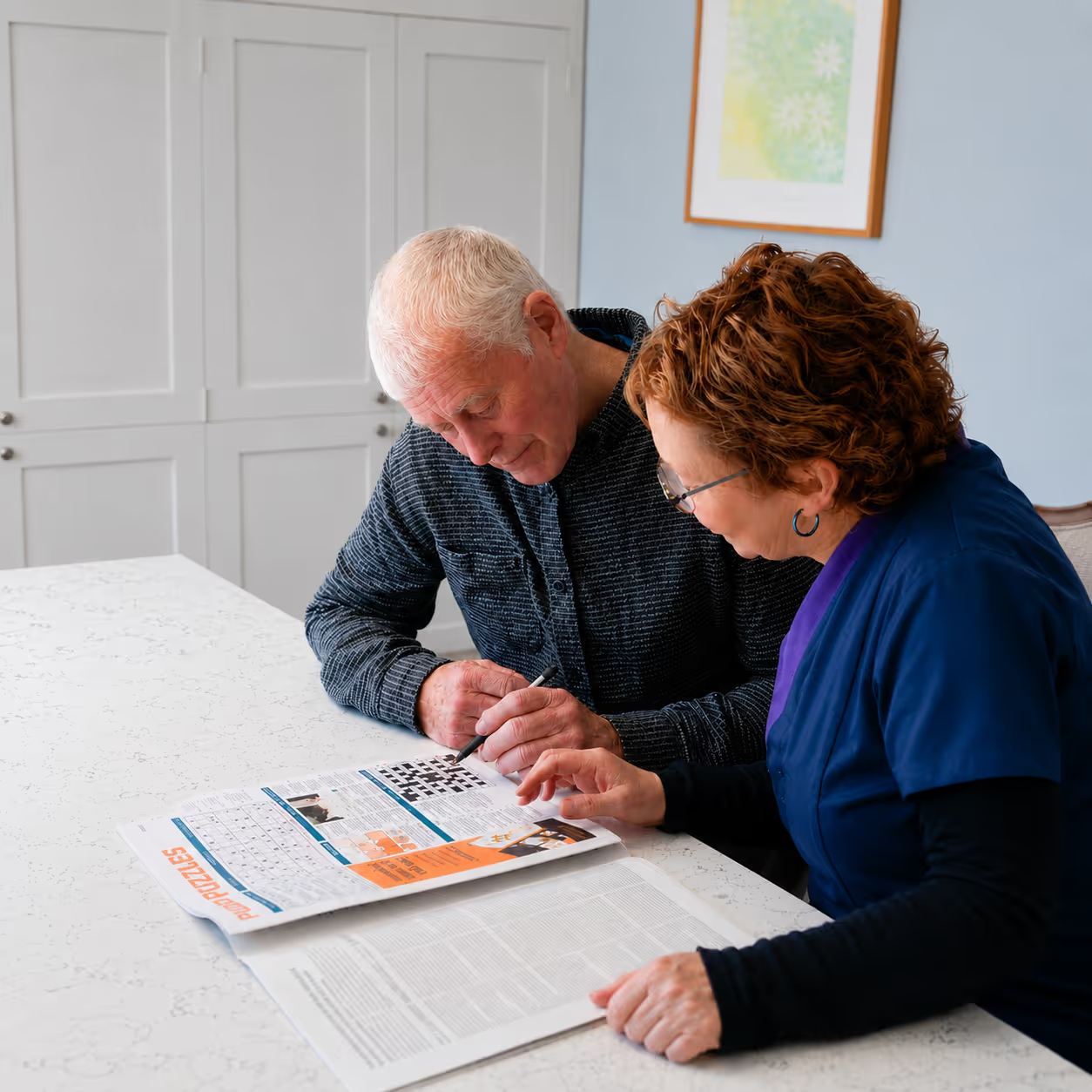
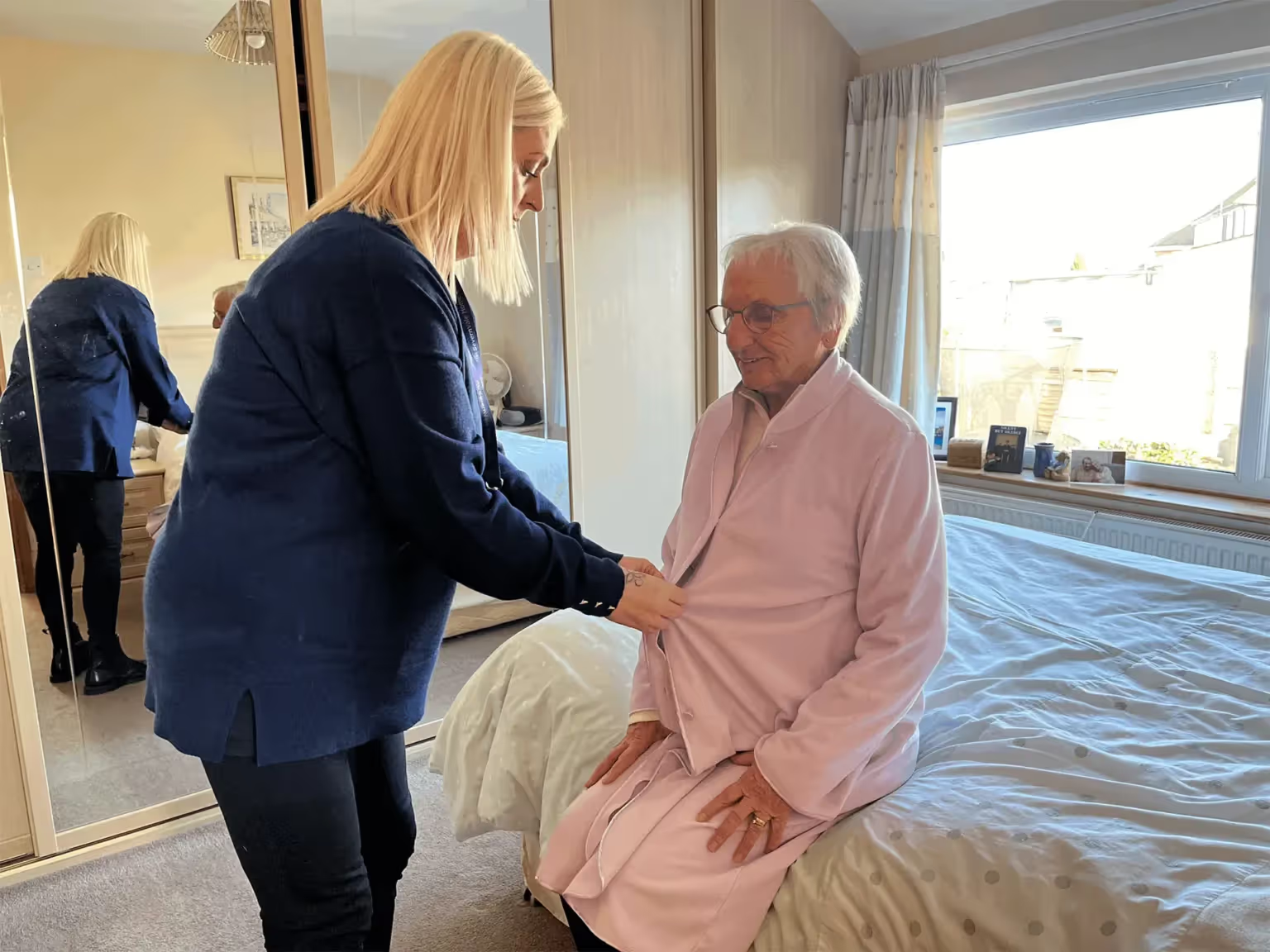
For many people, visiting care provides the ideal balance between independence and practical assistance. Scheduled visits can offer support with personal care, meal preparation, medication, companionship and daily routines whilst allowing someone to continue living independently within their own home.
For many older people, the ability to remain at home is one of the most important considerations when exploring care options. Home is where routines are established, memories have been created and communities remain familiar.
Whilst residential care is the right choice for some individuals, many people prefer to remain within their own surroundings for as long as possible. Home care makes this achievable by providing personalised support that adapts alongside changing needs whilst preserving independence, comfort and familiarity.
For others, particularly where needs have become more complex, live-in care may provide greater reassurance. Having a dedicated carer living within the home can offer consistent support throughout the day whilst preserving the familiarity and comfort of home life.
Specialist support is also available for individuals living with dementia, Parkinson's, mobility challenges or those recovering following illness or hospital discharge. The most appropriate option will always depend on the individual's circumstances, preferences and long-term goals.
One of the most common questions families ask is simple:
"Who is the best home care provider in Worcestershire?"
The truth is that there is rarely a single answer.
The best provider for one family may not necessarily be the best fit for another. What matters most is finding an organisation whose approach, values and expertise align with the needs of the person receiving care.
When comparing providers, it is worth looking beyond marketing messages and focusing on factors that genuinely influence quality of care. Independent reviews, CQC ratings, continuity of carers, dementia expertise, communication and responsiveness often provide a much clearer picture of the experience families can expect.
Families across Worcester, Malvern and the wider Worcestershire area frequently compare providers such as Severn Vale Home Care, Home Instead, Helping Hands, Bluebird Care and Visiting Angels. Each organisation has its own approach, strengths and areas of expertise.
The goal is not necessarily to find the largest provider, but the provider that feels right for your family.
.avif)
Families searching for the best visiting care in Worcestershire are often looking for more than practical assistance.
They are looking for reassurance.
Reassurance that a parent is safe at home. Reassurance that medication is being taken correctly. Reassurance that someone who lives alone is receiving meaningful companionship and support.
The strongest visiting care providers tend to share several characteristics. They prioritise continuity, ensuring clients see familiar faces rather than a constant rotation of carers. They communicate openly with families, adapt support as needs evolve and invest time in building genuine relationships.
This is often reflected in independent reviews. When reading testimonials, pay attention to recurring themes rather than simply the overall score. Families frequently mention kindness, reliability, communication and consistency when describing exceptional care experiences.
One of the most common reasons families begin exploring home care is concern around medication.
Perhaps tablets are occasionally being forgotten, prescriptions are becoming difficult to manage or there is growing anxiety about whether medication is being taken safely and consistently.
Many visiting care agencies across Worcestershire provide medication assistance as part of a personalised care plan. Depending on the individual's circumstances, this may involve reminders, prompts, practical support and ongoing monitoring.
When comparing providers, it is worth asking how medication support is documented, how concerns are reported and how communication is maintained with family members and healthcare professionals.
Good medication support should deliver peace of mind as well as practical assistance.
As care needs increase, families often face an important decision.
Is visiting care still enough, or would live-in care provide a better solution?
For many people, visiting care works extremely well for years. Regular visits throughout the day can provide structure, reassurance and practical support whilst maintaining independence.
However, there may come a point where additional support is beneficial. Increasing frailty, overnight concerns, dementia progression or growing anxiety about someone living alone can all prompt families to consider live-in care.
The right decision is rarely determined by a checklist alone. It often comes down to understanding how someone wishes to live and what level of support will allow them to maintain the greatest possible quality of life.
Families often begin exploring live-in care when daily visits no longer feel quite enough.
At this stage, many people find themselves comparing live-in care providers across Worcester, Malvern and the surrounding areas, trying to understand what genuinely separates one organisation from another.
Whilst availability and cost are naturally important considerations, they rarely tell the whole story. The most successful live-in care arrangements are built on trust, compatibility and continuity.
It is worth exploring how carers are matched to clients, how consistency is maintained and what support systems are available should needs change over time.
Families supporting somebody living with dementia may also wish to understand a provider's specialist training, experience and approach to preserving familiar routines.
Ultimately, the quality of a live-in care service is often reflected not in the first few weeks, but in how well the provider supports somebody over months and years.

For families living with dementia, continuity and familiarity often become increasingly important.
Many people with dementia can continue enjoying a fulfilling life at home when supported by familiar surroundings, trusted relationships and carefully structured routines.
When comparing dementia live-in care providers, it is worth exploring how carers are trained, how changes in wellbeing are monitored and how families remain involved in decision-making.
Good dementia care is not simply about managing symptoms. It is about preserving identity, maintaining dignity and helping people continue enjoying meaningful moments every day.
The strongest providers understand that every dementia journey is unique and that support must evolve alongside changing needs.
The Care Quality Commission (CQC) regulates home care providers in England and provides valuable information for families comparing services.
All home care agencies providing regulated services in England must be registered with the Care Quality Commission. Registration ensures providers meet the legal standards required to deliver care and are subject to ongoing inspection and oversight.
For families comparing home care providers in Worcestershire, reviewing a provider's latest CQC report is one of the most effective ways to gain an independent view of service quality, safety and leadership.
Inspectors assess organisations against five key areas:
Whilst the overall rating is important, families should take the time to read the inspection report itself. The report often provides deeper insight into how care is delivered and where a provider's strengths lie.

A professional assessment should never feel rushed.
The best home care assessments take time to understand not only somebody's care needs but also their routines, preferences, goals and concerns.
A thorough assessment can also play an important role in preventing future problems. By identifying risks early, supporting medication management, monitoring wellbeing and responding promptly to changes in health, personalised home care can help individuals remain safer and more independent at home.
For some people, particularly following illness, injury or a hospital stay, consistent support at home may also help reduce the likelihood of avoidable hospital readmissions and provide reassurance for both the individual and their family.
Families should leave the conversation feeling informed, reassured and confident about the next steps.
Every provider approaches care differently.
At Severn Vale Home Care, our philosophy has always been centred around relationships. We believe great care begins by taking the time to understand the person behind the care plan.
Our services include visiting care, live-in care, dementia support, companionship, medication assistance and respite care throughout Worcester, Malvern, Pershore, Ledbury and the surrounding communities.
As a family-owned business, we remain closely involved in the care we provide. We are particularly known for our minimum 45-minute visits, relationship-led approach and commitment to continuity of care.
Families often tell us that these longer visits allow carers the time to build meaningful relationships, provide more personalised support and genuinely understand the people they care for.

Taking the time to read reviews can offer valuable insight into how a home care provider truly operates. Beyond services and promises, feedback from other families often highlights what day-to-day care actually feels like.
Look for patterns rather than one-off comments. Consistently positive feedback around reliability, communication, and quality of care is a strong indicator of a trusted provider. It’s also worth noticing how any concerns have been handled, thoughtful, responsive communication can say a great deal about a provider’s values.
A well-regarded reputation, built over time, often reflects a team that delivers care with both professionalism and genuine compassion.
Choosing a provider is as much about asking the right questions as it is about reviewing their services. Open, transparent conversations will help you feel confident in your decision.
You might consider asking:
The way a provider answers these questions—clearly, openly, and with reassurance—can often be just as important as the answers themselves.
.avif)
When making your decision, a few key factors can help guide you towards the most suitable option.
Balancing these elements helps create a care solution that is both practical and reassuring.
At the heart of high-quality home care is personalisation. The best care plans are shaped around the individual, not just their needs, but their routines, preferences, and way of life.
When exploring providers, look for:
Care that feels personal is often care that works best, supporting independence, dignity, and a better quality of life at home.

Choosing a home care provider in Worcestershire is an important decision, one that goes beyond practical support. It’s about finding care that feels right, supports independence, and brings reassurance to both you and your family.
By taking the time to understand your needs, explore your options, and choose a provider who values consistency, compassion, and personalisation, you can feel confident in your decision. The right care doesn’t just support day-to-day living, it enhances quality of life, helping individuals remain comfortable, connected, and independent in their own home.
If you are considering home care in Worcester, Malvern, or the surrounding areas, we’re here to help guide you through the process.
Whether you’re just starting to explore your options or ready to arrange support, a friendly conversation can often be the best place to begin. We are always happy to talk through your needs, answer any questions, and help you find care that feels right for you or your loved one.
Get in touch today to discuss your care needs and explore how we can support you at home.
The best provider will depend on individual needs, preferences and circumstances. Families should compare review scores, CQC ratings, continuity of care, dementia expertise and communication when making a decision.
The best visiting care services combine personalised support, continuity of carers, strong communication and excellent independent reviews.
Many older people prefer to remain in familiar surroundings where they can continue enjoying their routines, community connections and independence. Home care allows support to be tailored around the individual whilst enabling them to stay in the place they know best.
Well-planned personalised home care can help identify changes in wellbeing early, support medication management and provide ongoing monitoring following illness or hospital discharge. For some individuals, this may help reduce the likelihood of avoidable hospital readmissions.
Yes. All home care agencies providing regulated services in England must be registered with the Care Quality Commission (CQC), which inspects and monitors services to ensure they meet required standards. CQC inspection reports classify agencies as Outstanding, Good, Requires Improvement, or Inadequate.
Many providers offer medication support as part of a personalised care plan. Families should ask about training, documentation processes and communication procedures.
Several providers offer live-in care across Worcester, Malvern and Worcestershire. Families should compare experience, continuity, reviews and specialist expertise before making a decision.
The best dementia live-in care combines specialist knowledge, familiar routines, consistent carers and relationship-led support tailored to the individual.
A professional assessment explores care needs, mobility, medication, wellbeing, routines and personal preferences in order to create a tailored support plan. Assessments typically involve a consultation with a care professional.
Choosing care is rarely a single decision. Many families find themselves exploring a range of questions as circumstances change, particularly when dementia, increasing frailty or a recent hospital stay are involved.
The following guides may help you better understand the options available and make informed decisions about future care:
Explore the different types of dementia support available locally, including home care, live-in care, respite services and specialist dementia support.
Learn about some of the early signs that additional support may be beneficial, from changes in memory and daily routines to increasing concerns around safety and wellbeing.
Practical advice for families supporting a loved one with dementia, including communication strategies, creating routines and maintaining independence for as long as possible.
Discover how specialist dementia care can help individuals remain safe, comfortable and independent within familiar surroundings whilst providing reassurance for families.
Understand the differences between visiting care and live-in care, including the benefits of each approach and how to determine which may be most appropriate for your circumstances.
Ask Jenny