When someone you love is living with a serious illness, knowing how best to support them can feel overwhelming. You might hear terms like palliative care and end-of-life care, and wonder what they really mean, or how they differ.
At Severn Vale Home Care, we understand how confusing and emotional this time can be. Our goal is to make things clearer, so you can make confident, compassionate choices for your loved one.
Palliative care is about living as well as possible, even when facing a serious illness. It focuses on comfort, dignity, and quality of life, not just for the person receiving care, but for their family too.
So, what is palliative care?
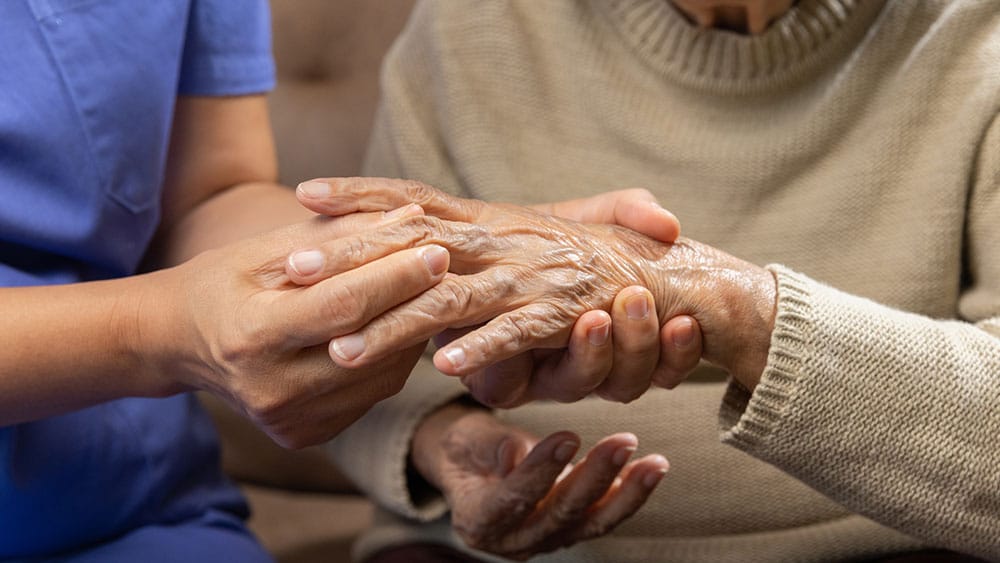
It’s specialist support that helps manage symptoms such as pain, breathlessness, or anxiety, while offering emotional and practical help for the whole family.
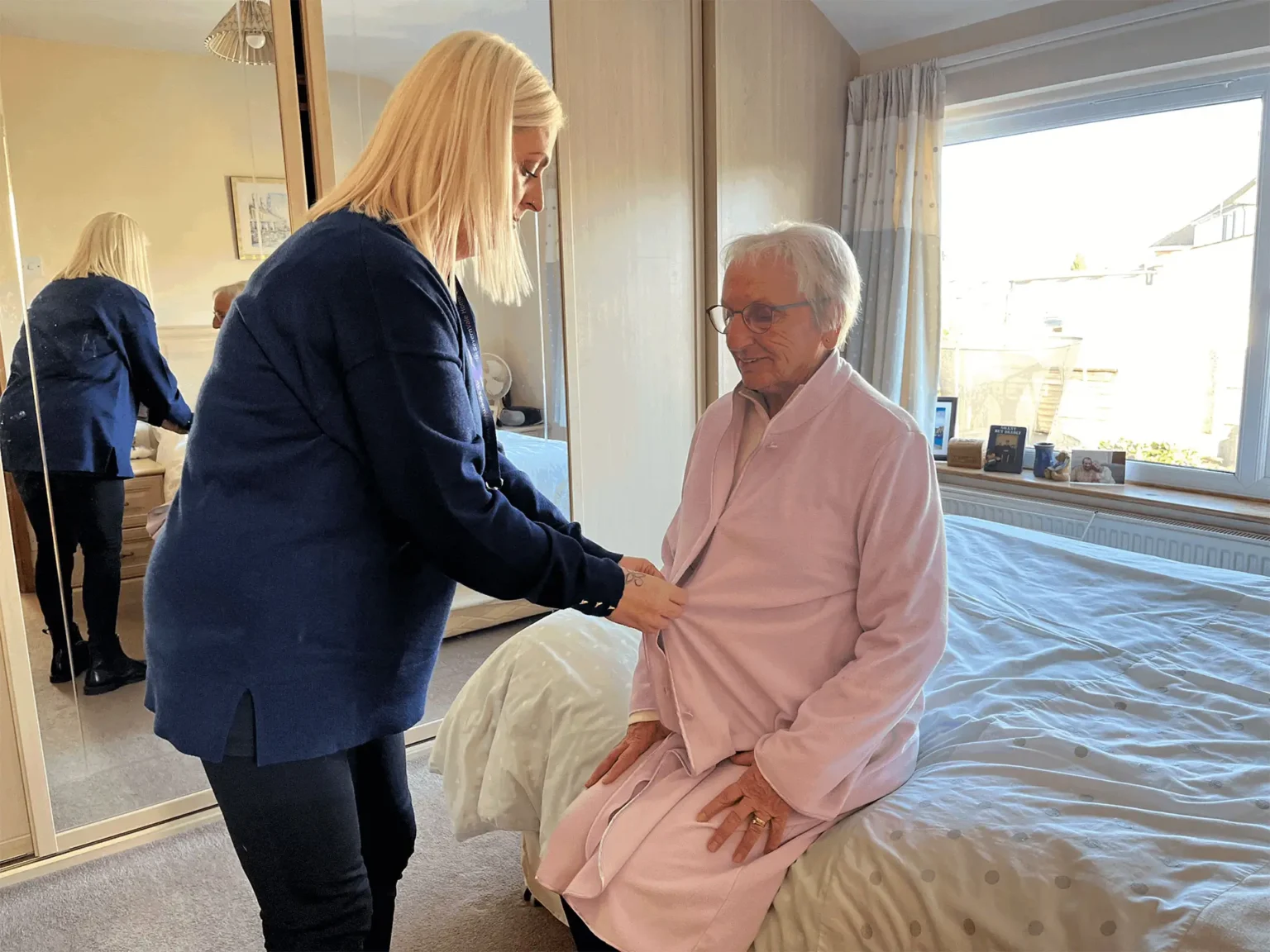
Choosing palliative care at home allows your loved one to stay where they feel most comfortable, surrounded by familiarity, love, and the little things that bring peace. Our experienced carers work alongside nurses and doctors to provide gentle, professional support.
You can expect:
Palliative care can start at any stage of illness, whether early on or later, and can continue for months or even years. It’s about living fully, with dignity and comfort, every day.
At some point, the focus of care naturally shifts. When treatments are no longer working, or someone is approaching the final stage of life, end-of-life care begins.
End-of-life care is actually a part of palliative care; it’s simply more focused on ensuring comfort, peace, and dignity as life comes to an end. It’s about making sure your loved one feels safe, supported, and free from pain, while their family receives the care and guidance they need.
At Severn Vale Home Care, our approach to end-of-life care at home is shaped by five key priorities:
Our aim is always to create a peaceful, loving environment where families can simply focus on being together.
While both types of care share the same compassionate foundation, the main difference lies in their timing and focus. Palliative care can begin at any stage of a serious illness, even from the point of diagnosis, and its purpose is to help a person live well, manage symptoms, and maintain independence for as long as possible. It may continue for many months or even years, either at home, in a hospital, or in a hospice.
End-of-life care, on the other hand, is a specific part of palliative care that supports someone during the final weeks or months of life. The focus shifts from managing an illness to providing comfort, dignity, and peace. Most families choose end-of-life care at home, as it allows their loved one to stay surrounded by familiar faces and comforting routines.
In short, palliative care helps people live well, while end-of-life care helps people pass peacefully - both delivered with the same compassion and respect every step of the way.
Many families across Worcestershire and the surrounding areas are now choosing palliative care at home or end-of-life care at home because it allows their loved one to stay surrounded by everything they know and love.
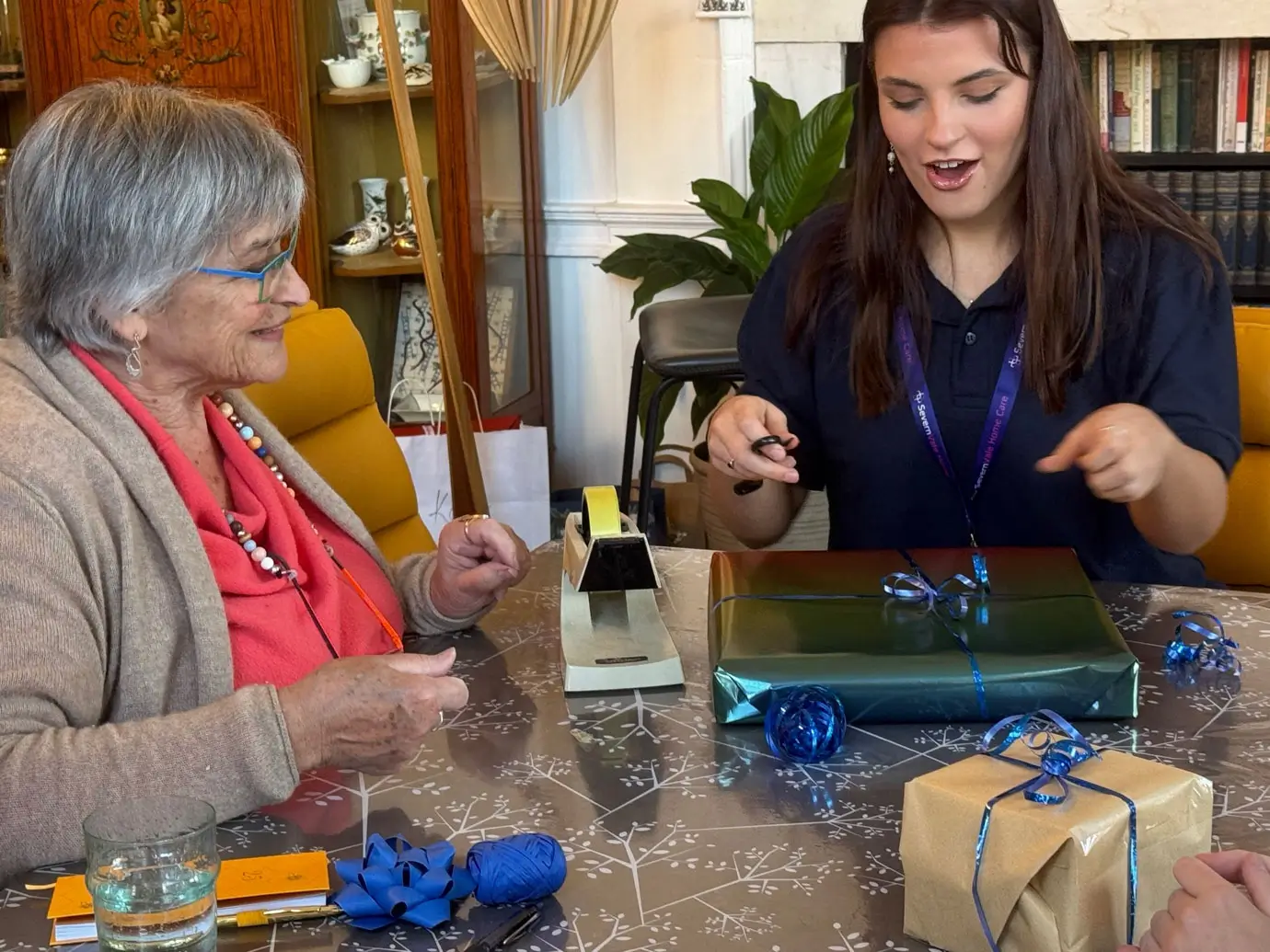
At home, there’s time to share memories, laughter, and love - without the clinical environment of a hospital. Our carers understand the sensitivity of these moments and provide not just professional support, but genuine human warmth.
We believe that care is about more than tasks; it’s about kindness, empathy, and dignity. Whether your loved one needs help managing a long-term condition or is nearing the end of life, our team is here to walk alongside you with understanding and respect.
From palliative care nursing to end-of-life care at home, you’ll have support that’s as personal as it is professional.
If you’re considering palliative care or end-of-life care for someone you love, you don’t have to make the decision alone.
Contact us today to find out how we can help your family navigate this journey with comfort, dignity, and compassion.